How to Choose a Good Water Saver Shower Head: A Comprehensive Guide
How to Choose a Good Water Saver Shower Head: A Comprehensive Guide
Jun 8, 2024 | Steve Simoes
Article tagged as:
In recent years, environmental sustainability has become more than just a buzzword – it has become a necessity. A question that has surfaced in this domain is, “Is a water saver shower head good?”. The answer is a resounding yes. Water saver shower heads are designed to reduce the amount of water used during showers, not only benefiting the environment but also significantly reducing your utility bills.
However, choosing the perfect water saver shower head can be a daunting task with the myriad options available in the market today. Let’s demystify the process, and give you a roadmap to make an informed decision.
Understand the Water Flow Rate
The flow rate, measured in litres per minute (GPM), is a vital aspect when choosing a water-saving shower head. A low flow rate implies less water usage. For instance, traditional shower heads often use around 9.5 LPM, while a water saver shower head typically uses less than 7.5 LPM – the lower the GPM, the greater the water savings.
Check the Quality of Material
The material of the shower head significantly impacts its longevity and maintenance – chrome, stainless steel, and brass are among the most durable materials. Avoid plastic shower heads, as they can break easily and may not withstand high temperatures.
Evaluate the Spray Settings
Contrary to what some might think, choosing a water saver shower head does not mean compromising on your shower experience. Modern water-saving shower heads come with multiple spray settings, including mist, massage, and rain shower, allowing you to customise your shower to your liking.
Look for a WaterSense Label
To ensure you are getting a genuinely water-efficient product, look for a shower head with a Water Efficiency Labelling and Standards (WELS) label. This label is granted by the Australian Federal Government to products that not only save water but also maintain high performance standards.
Consider the Installation Process
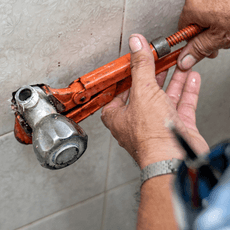
Most water-saving shower heads can be installed without professional help. Opt for a model that requires minimal assembly and can be installed with basic tools to make the process as easy as possible.
Review the Cost
While water saver shower heads may be more expensive upfront than their traditional counterparts, they pay for themselves in the long run through water and energy savings. Consider it an investment in both your wallet and the environment.
The main drawback people usually point out is a potential decrease in water pressure. However, with advanced technology, many water-saving shower heads are now designed to maintain excellent water pressure despite the lower flow rate. Thus, you can still enjoy a relaxing shower while conserving water.
While this guide provides general recommendations, remember that your specific needs and preferences should dictate your final choice.
The information provided is for general information purposes only and does not constitute legal, or professional advice. While care has been taken to ensure accuracy, the information may not be complete, current, or applicable to your specific situation. You should always do your own research and, where appropriate, seek advice from a qualified professional before making any decisions based on this information.
Great Shower Head. Now Make Sure the Installation Actually Holds.
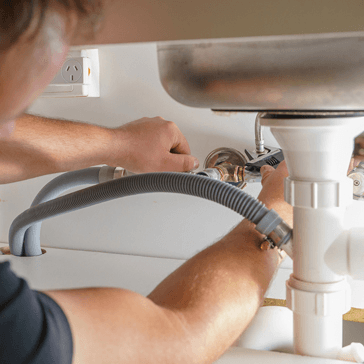
A WELS-rated shower head is a smart investment but only if it's installed correctly, with proper connections, the right fittings for your wall type, and no slow leaks hiding behind the rose. Simfield members get licensed plumbers at capped rates who do bathroom fixture work to the standard it deserves. Start saving water from day one, not after a callback.